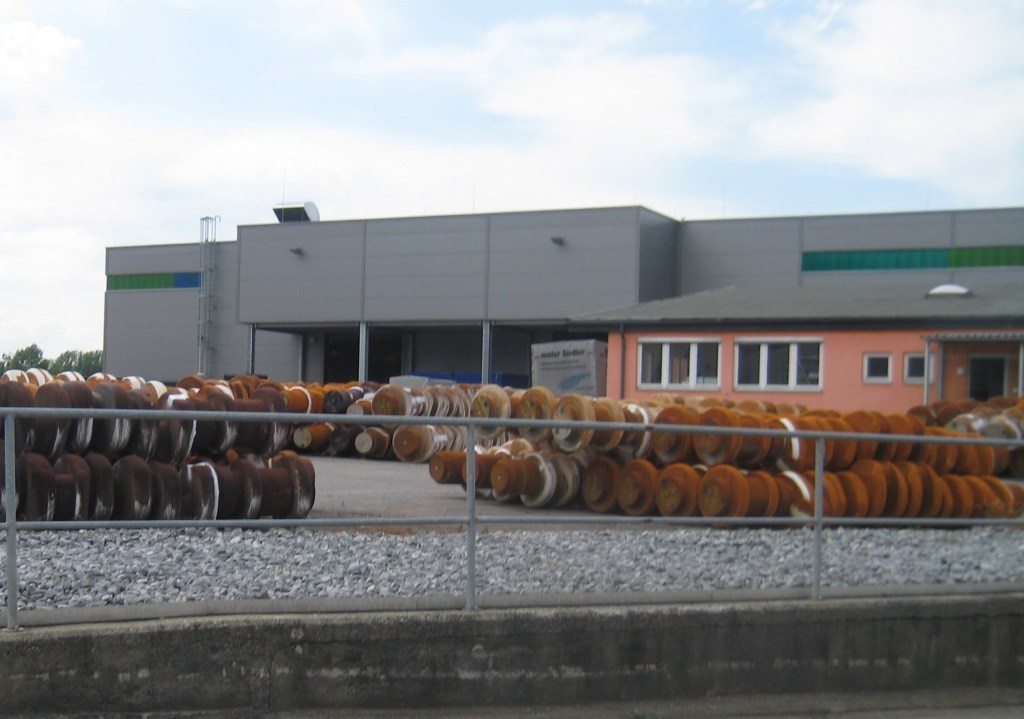
Welcome. This issue’s cover shows a crankshaft for a marine diesel engine adorning a traffic rotary in Germany. This type of engine goes into large, sea-going ships, but where I grew up, anything that floated was called a boat. So to me this is a really big boat crank. When I worked for General Motors we had a technical exchange with Caterpillar in Peoria, and I saw some large crankshafts for generators and bulldozer motors there, but nothing like this beauty.
This picture was taken in 2010, when I was working half time for the University of Michigan, and half time for an engineering consulting firm called D3 Vibrations, owned by a friend I had worked with at GM. I was in Germany on a contract job for D3, qualifying equipment for Ford at a machine supplier. Ford had substantially reduced its engineering workforce during the 2008 financial crisis, and had fewer people left to work on production readiness for new engines, so they hired contractors to perform some standard tasks. I did a lot of work for them in Germany between 2008 and 2011, which eventually led to me hiring in full time in 2013.
In this case I was supposed to be testing a machine and tooling for separating the main bearing caps from a new V6 engine block to be manufactured at Lima Engine in Ohio. The machine supplier was named Alfing-Kessler Sondermaschinen at the time, and the big boat crank was in the rotary outside their main gate. I couldn’t help but notice that they had a boat crank machining plant next to the building I was working in. Crankshaft machining requires all kinds of odd special machines — turnbroaches, donut mills, pin grinders, fillet rollers, gun drills, balancers, and whatnot — and I was very interested in seeing large specimens of this type of equipment. (You can see oil holes on the pins and journals, so they definitely had a big gun drill in there.) I expressed my intense desire to tour the boat crank machining plant to my hosts several times, but they never set anything up. I felt like the guy in Das Schloss. They did set up a tour of a diesel engine plant in Nürnberg for me, which I would have enjoyed if I hadn’t seen the boat crank.
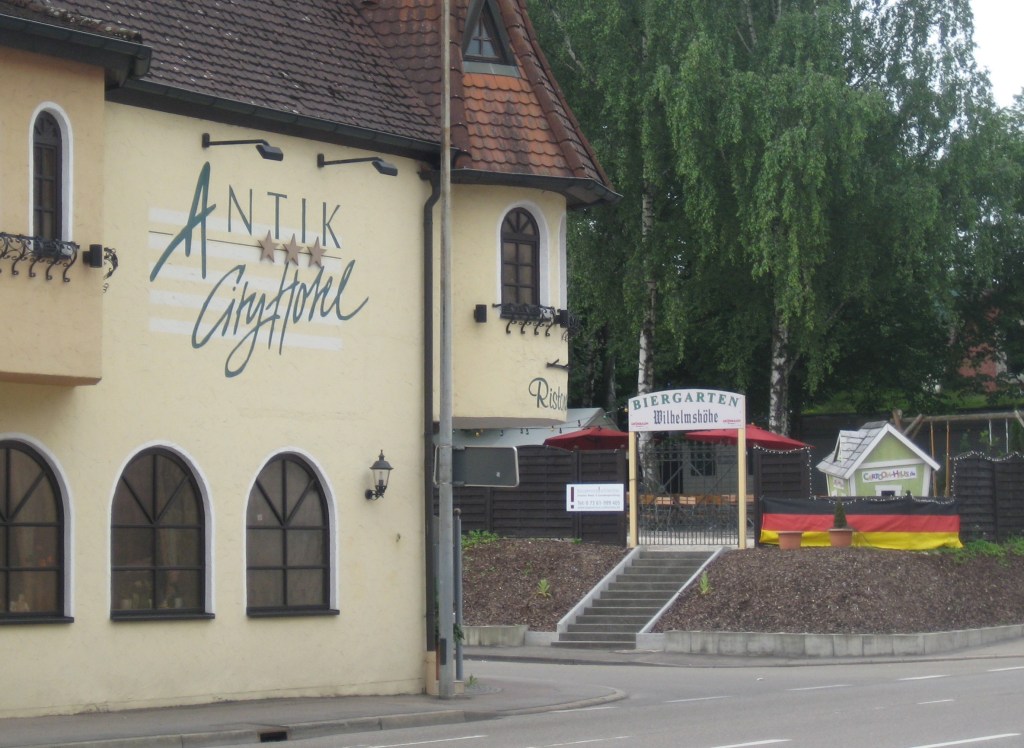
The only other things I remember about this trip are that my hotel was across the street from a Biergarten, and that the soccer World Cup was going on in South Africa. You can do the math on how I spent my evenings. The reading period for Pulsebeat 16, which will be posted in January, 2027, begins October 1. Until January, enjoy the wonderful poems in this issue.

